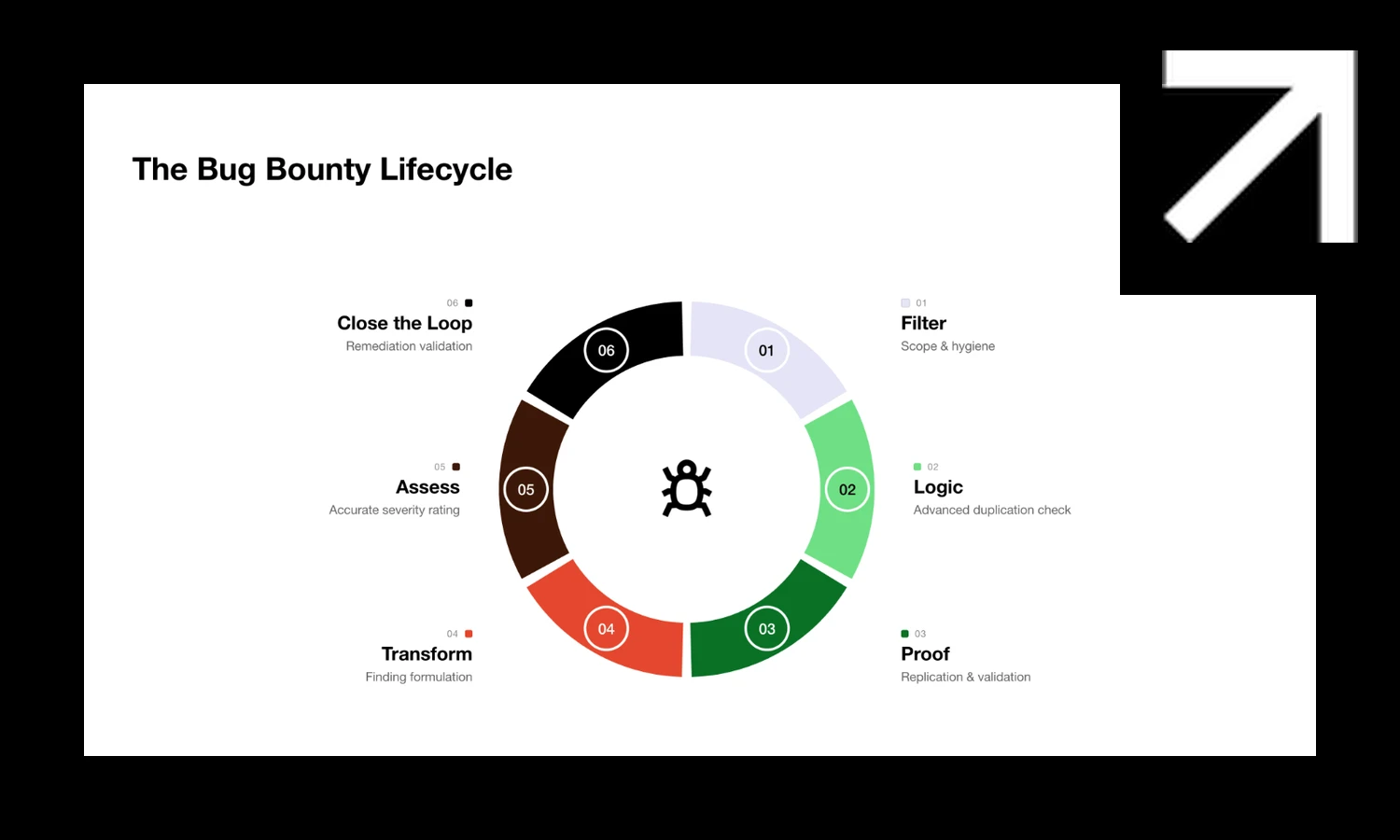
Platform
Explore Inspectiv’s AI-enabled platform that integrates Bug Bounty, Pentesting, Feature Testing, and VDP, designed to cut through noise and deliver signal-driven results.


In today’s threat landscape, Chief Information Security Officers (CISOs) have the same tough job they’ve always had: how to secure ever-shifting digital environments against adversaries who are agile, persistent, and constantly innovating. Oh, they all use AI now to beat you.
Traditional approaches — like annual or quarterly penetration testing — remain valuable, but they are point-in-time assessments that may miss vulnerabilities introduced by frequent changes in code, configuration drift, and dynamic cloud infrastructure.
Enter bug bounty programs: crowdsourced security assessments that engage external security researchers to continuously test live systems for vulnerabilities. Once considered a niche or “nice-to-have,” bug bounties are increasingly entering the mainstream — and for good reason. They align closely with the explicit goals of modern cybersecurity frameworks such as Zero Trust, which are federally endorsed in the United States, among their other benefits.
In fact, security guidance from one of the most venerable authorities in U.S. cybersecurity — the National Security Agency (NSA) — underscores why CISOs should think beyond traditional models and embrace diverse security testing strategies as part of Zero Trust implementation.
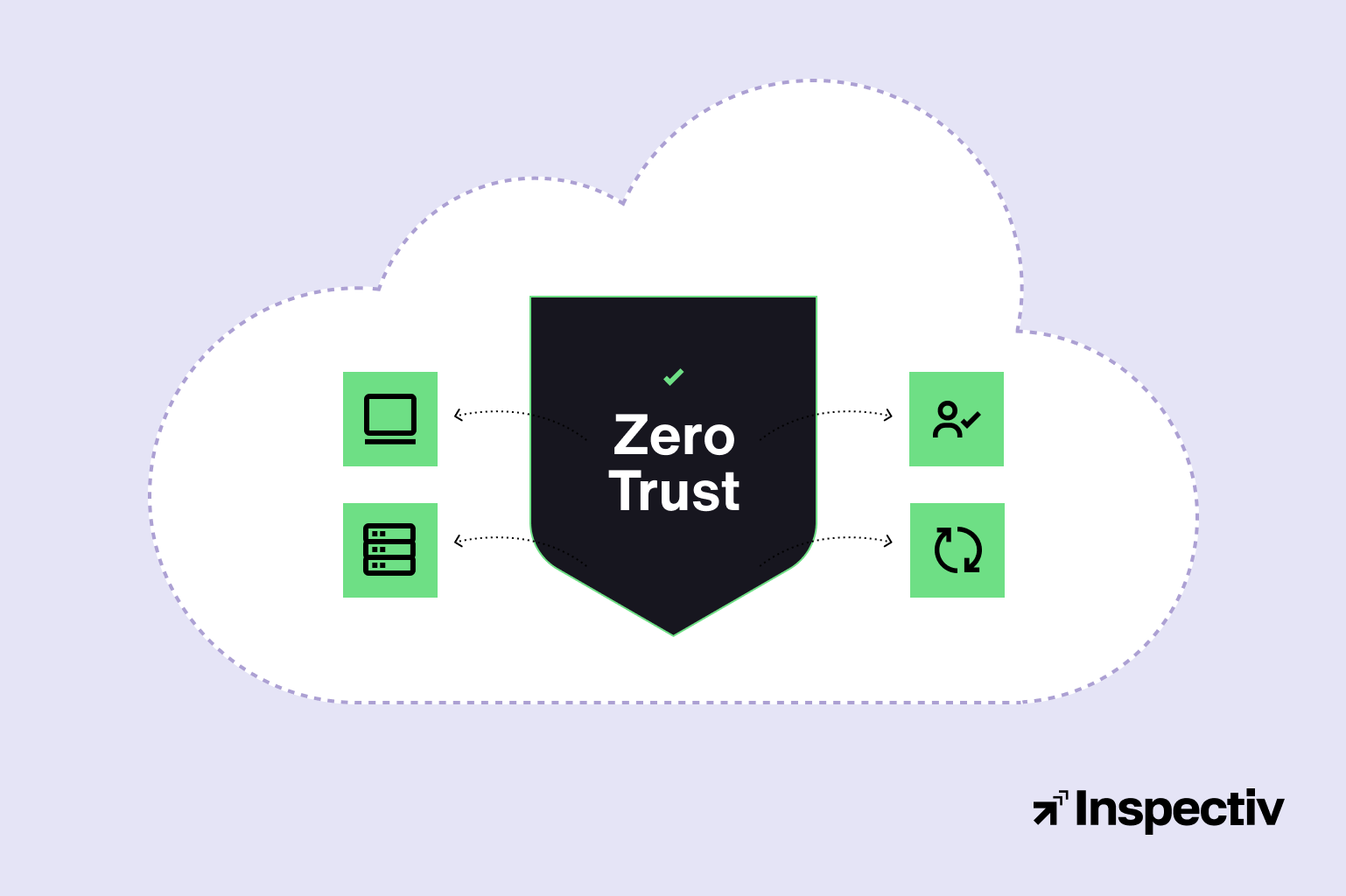 Zero Trust Is Not Just a Buzzword — It’s a Strategic Security Framework
 The NSA’s recently released Zero Trust Implementation Guidelines (ZIG Phase One and Phase Two) provide a structured roadmap for achieving “Target-level Zero Trust Maturity” as defined in the Department of War’s CIO Zero Trust Framework. These guidelines — grounded in NIST SP 800-207 principles — help organizations build out capabilities such as continuous monitoring, strict access control, dynamic policy enforcement, and comprehensive visibility across assets and identities. (NSA)
Instead of thinking of Zero Trust as a single product (such as microsegmentation) or control, the NSA describes it as a modular, phased implementation model that organizations can adapt to their unique risk profiles and maturity levels. Phase One and Phase Two, specifically, focus on refining environments to support Zero Trust foundations and integrating core Zero Trust solutions, respectively. (NSA)
In practical terms, Zero Trust means:
All of these tenets depend on real, empirical evidence about where vulnerabilities actually exist and how systems behave under attack — not just on theoretical models or static tests.
Unlike penetration tests — which are finite, scheduled engagements — bug bounty programs offer persistent, real-world testing by a distributed community of expert hunters. These programs:
From a CISO’s perspective, this means bug bounties deliver measurable assurance of security posture, regularly refreshing the organization’s understanding of exposure and risk.
One of the core principles of Zero Trust — never trust, always verify — demands ongoing, dynamic validation of controls, identities, workloads, and configurations. Traditional pen tests are limited snapshots; by the time a quarterly test report lands, systems may have changed. Bug bounty programs encourage researchers to seek vulnerabilities all the time and even rewards them for being the first to find vulnerabilities introduced by code changes or configuration mistakes.
That consistency of feedback helps CISOs maintain assurance and visibility in environments that are increasingly ephemeral (think containers, cloud services, APIs, and microservices). This aligns directly with Zero Trust’s emphasis on continuous validation, rather than periodic checks.
Modern digital ecosystems aren’t monolithic. They span many cloud and some on-prem environments, APIs, third-party integrations, legacy applications, and edge services. Penetration testing, even when conducted well, is constrained by engagement scope, time, and human resources.
Bug bounty programs crowdsource the work. Hundreds of researchers test varying angles and techniques. For a CISO, this means the chance of uncovering creative, non-obvious vulnerabilities increases dramatically. Bug bounties diversify the testing surface in ways that mirror the distributed and interconnected nature of modern IT environments — a key focus area in NSA’s Zero Trust maturity model.
Bug bounty programs generally reward based on the severity and impact of findings. This risk-based compensation model encourages researchers to prioritize impactful bugs. Meanwhile, Zero Trust implementation also encourages risk-based prioritization — focusing on protecting data, identities, and services most critical to mission success.
In contrast, pen testing often yields structured reports with varied findings but limited ongoing revalidation. Bug bounties, coupled with continuous triage and integration into DevSecOps pipelines, help CISOs measure improvement over time, not just in isolated assessments.
CISOs must demonstrate to business leadership and boards that the organization isn’t just compliant but secure now. Bug bounty programs produce data — validated findings, remediation timelines, reduced severity over time — that help quantify improvements in security posture. Some include information about attempts that failed to unearth vulnerabilities which is also valuable information. When communicated well, these metrics can meaningfully complement Zero Trust progress metrics.
Pen tests are often qualitative and binary (done/not done), which makes them less useful as assurance artifacts in dynamic environments.
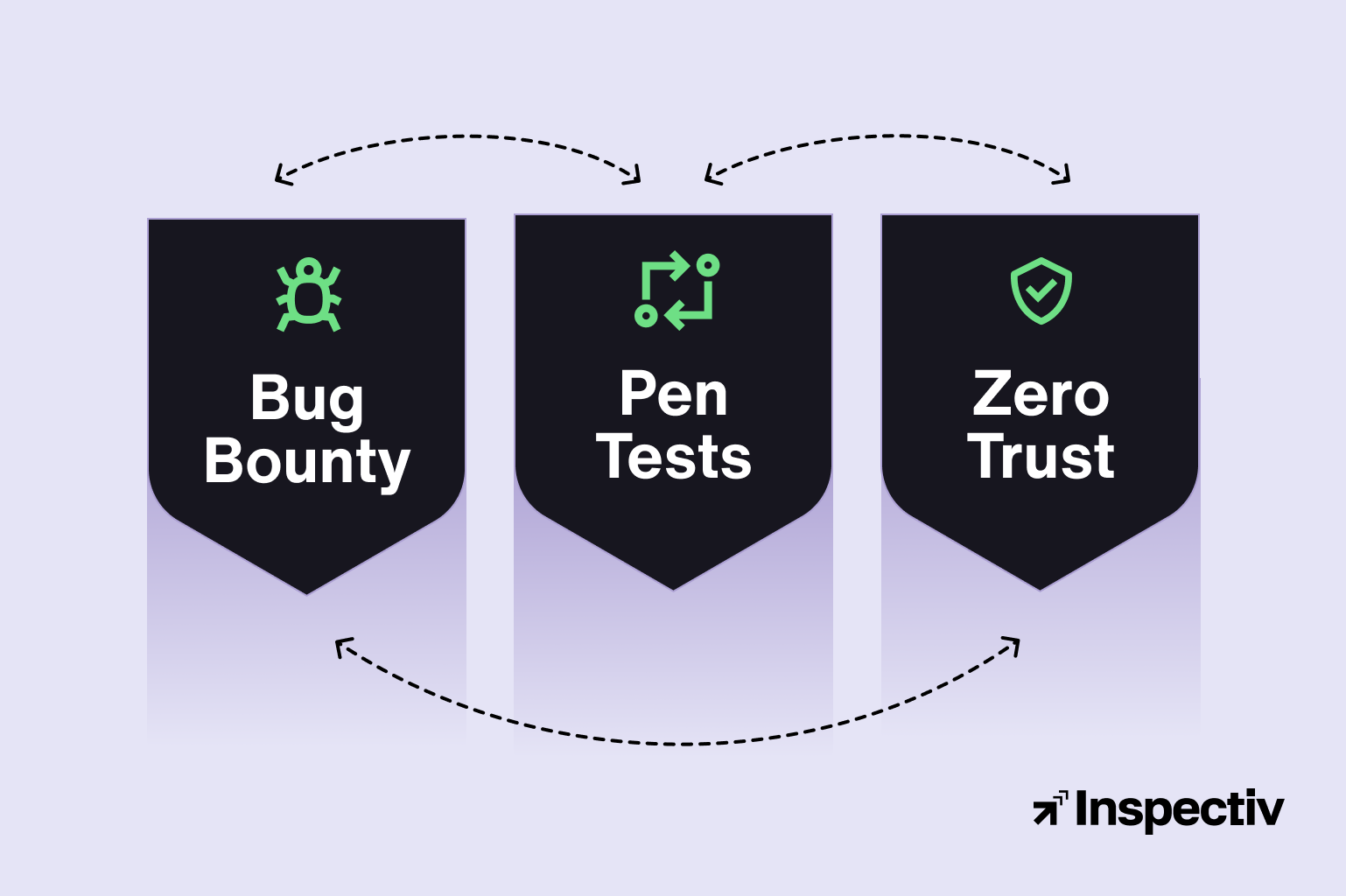
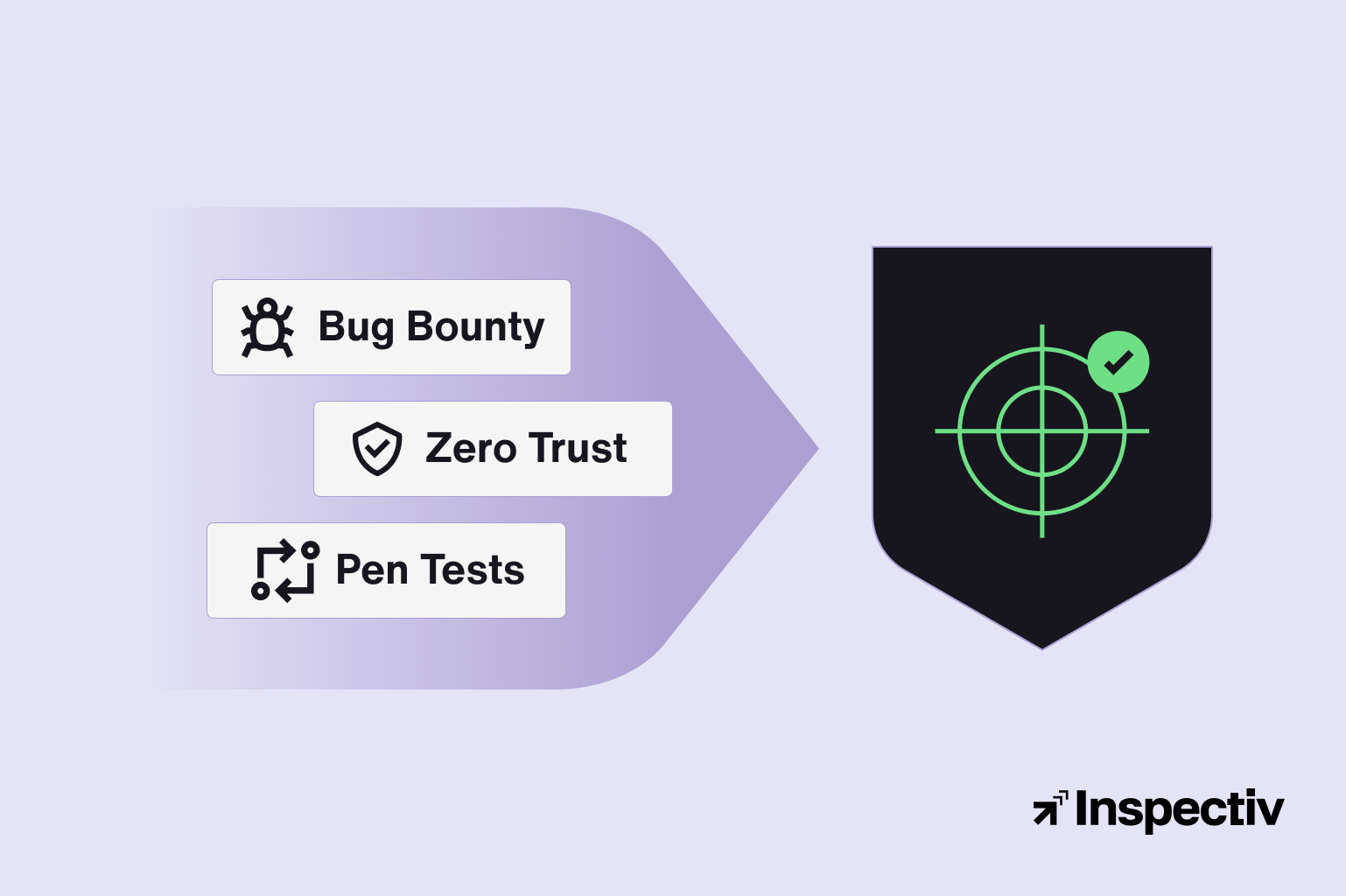 A Symbiotic Strategy: Pen Testing + Bug Bounty + Zero Trust
 It’s important to emphasize that this isn’t an Either/Or debate. Rather, the most resilient security strategies combine:
The NSA’s Zero Trust Implementation Guidelines (Phase One and Phase Two) make clear that security is about capability building, iterative refinement, and empirical evidence — not static checklists. Bug bounty programs provide that evidence in real time.
For CISOs, the question isn’t whether bug bounty programs are “as good as pen testing” — it’s whether they are good enough to be part of a mature, Zero Trust-aligned security strategy. The answer is a resounding yes. By providing continuous, real-world security assessment, bug bounties deliver dynamic insights that help organizations adapt, improve, and validate their defenses in the way that Zero Trust demands.
In a world where change is constant and threats evolve relentlessly, CISOs can no longer rely on one-off tests. A bug bounty program isn’t just a nice add-on — it’s an essential security assurance capability that complements pen testing and supports the iterative maturity models being articulated by trusted authorities like the NSA.
Ready to level up your AppSec program? Book a personalized demo to see how Inspectiv helps you uncover real risks, streamline workflows, and scale your security program through one unified platform designed to operate the way your team does.












.svg?width=32&height=32&name=icon%20(1).svg)
.svg?width=32&height=32&name=icon%20(2).svg)
.svg?width=32&height=32&name=icon%20(3).svg)