The landscape of application security is undergoing a fundamental shift. As emphasized by the June 10 CISA security announcement (BOD 26-04), compliance checklists and generic patching cycles based on severity only are no longer sufficient, particularly given that the highest-risk findings now carry a three-day remediation clock. To truly defend modern architectures, security testing must pivot from static, severity-based metrics to a dynamic, risk-based framework.
The Critical Difference: Severity vs. Risk
Traditional "severity-based" security models rely heavily on generic scoring (such as CVSS), which measures a vulnerability's theoretical danger in isolation. This approach creates a "patch-everything" mentality that is increasingly operationally unsustainable.
In contrast, a risk-based approach, as directed by the requirements of BOD 26-04, evaluates threats based on the unique context of your environment. It moves beyond the abstract "how bad is this bug" question and answers "how dangerous is this bug to my business." By accounting for real-world exploitability, actual asset exposure, and business impact, security teams can separate theoretical flaws from genuine operational dangers.
While many will look at the Federal source of this requirement and think it may not apply to them, the organizations that are going to adhere to it are going to ask that their vendors do as well. We are all living in the age of 26-04.
Leveraging Inspectiv’s Risk-Based Prioritization
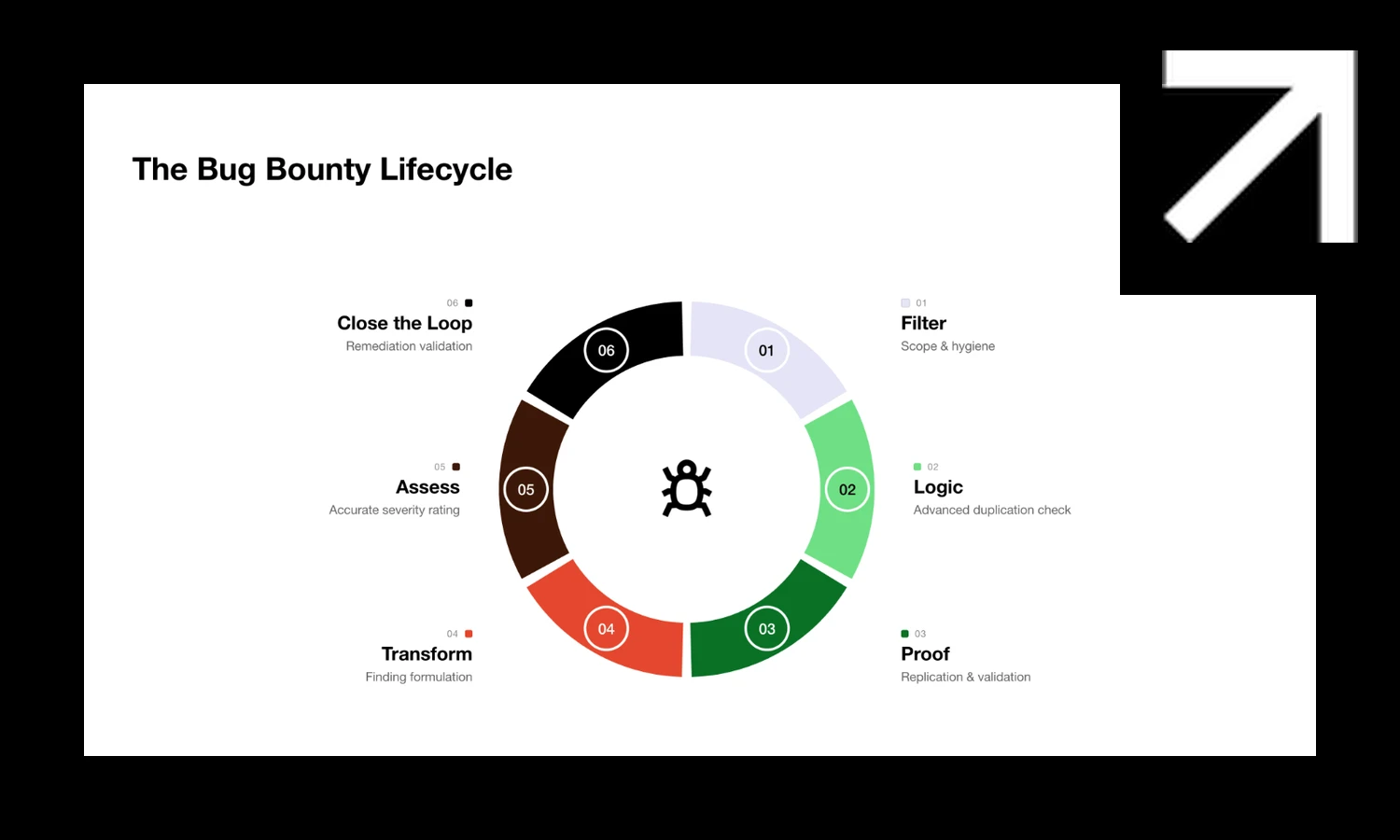
To meet the requirements of modern, risk-based testing, Inspectiv’s methodology bridges the gap between raw data and actionable intelligence by dynamically contextualizing each vulnerability. Inspectiv's team takes each found valid vulnerability and gives it a 26-04 friendly risk rating to help customers prioritize.
Rather than burdening engineering teams with extensive lists of "Critical" findings, many of which may reside in dead code or non-internet-facing environments, Inspectiv prioritizes vulnerabilities that pose a legitimate, verifiable threat. This enables organizations to stop chasing noise and focus remediation efforts where they provide the highest security ROI.
The Operational Advantages of Risk-Based Prioritization
Adopting this context-driven model provides four primary operational advantages:
- Elimination of Noise and Alert Fatigue: Shifting to validated, human-vetted vulnerabilities eliminates the overhead of tracking down false positives. Engineers focus only on confirmed exposures that present immediate risk.
-
Accelerated Remediation Velocity: By assessing flaws based on their true business impact and technical reach, remediation paths are ranked dynamically. This allows teams to fix high-impact issues without stalling product development. Most Inspectiv reports come with videos to simplify understanding of how a vulnerability was triggered and how to remediate it.
- Uncovering Real Attack Paths: Automated tools often miss complex business logic flaws and authorization gaps. Continuous, risk-based testing exposes these hidden threat vectors, providing an accurate representation of the attack surface from an adversarial perspective.
- Clear Security ROI: Prioritizing by actual risk aligns security efforts with business objectives. This strategic focus demonstrates clear ROI by showcasing how proactive testing actively minimizes business-critical risks while preserving development timelines.
Driving Continuous Confidence
True resilience requires moving past compliance-focused, reactive patching cycles. By coupling continuous, human-driven discovery with structured risk prioritization, organizations can operationalize a defensible security posture that effectively meets the stringent demands of BOD 26-04 while maintaining operational efficiency.













.svg?width=32&height=32&name=icon%20(1).svg)
.svg?width=32&height=32&name=icon%20(2).svg)
.svg?width=32&height=32&name=icon%20(3).svg)