Explore why PCI DSS compliance testing can help pass a compliance test but fail to robustly protect cardholder data as well as continuous, comprehensive security.
The Limitations of PCI DSS Compliance Testing
When you hear “PCI DSS compliance testing,” you probably envision an IT admin nervously scanning vulnerability reports with a cup of lukewarm coffee in hand. The Payment Card Industry Data Security Standard (PCI DSS) mandates this testing. A cynic might say it is to move data breach liability away from credit card brands and onto merchants and service providers. And we've done tests that helped our financial services and other customers meet this requirement many times. So while this risk transference is clever, the mandatory testing can miss the spirit of true security. Compliance frequently becomes synonymous with security, leading organizations into a dangerous fallacy. PCI DSS testing, especially surface-level vulnerability scans and quarterly assessments, can provide a false sense of security, leaving organizations exposed.
The Illusion of the Quarterly Scan
PCI DSS requires specific testing frequencies—quarterly external vulnerability scans by an Approved Scanning Vendor (ASV) and annual internal penetration tests. These tests are designed to catch easily exploitable vulnerabilities. Passing these tests grants an Attestation of Compliance (AOC), but the threat landscape doesn’t pause because you passed your Q3 assessment. PCI compliance testing is like taking your car in for an oil change: essential for basic operation but inadequate for preventing catastrophic failures. The framework often prioritizes breadth over depth, missing critical issues.
Common Pitfalls in Standard PCI Testing
Focusing Solely on Scannable Assets: Tools excel at finding known CVEs on internet-facing servers but often overlook complex configurations, human error, and bespoke application logic flaws.
Ignoring the Human Element: Phishing remains one of the easiest ways to bypass robust defenses. PCI testing rarely includes comprehensive, sustained social engineering assessments.
The Network Segmentation Mirage: PCI DSS heavily relies on strict network segmentation to isolate the Cardholder Data Environment (CDE) from the rest of the network. Quarterly scans might confirm that firewall rules look right on paper but often fail to test for subtle misconfigurations or insider threats that allow data to bleed from the CDE to less-secure areas.
Network Segmentation: The Achilles' Heel of PCI
Network segmentation is the cornerstone of modern PCI compliance. Proving that a breach in one department cannot reach your Primary Account Number (PAN) database dramatically shrinks your compliance scope and risk profile. Achieving verifiable segmentation requires meticulous firewall rule management, rigorous access control lists, and constant monitoring. Testing that focuses narrowly on external ports often overlooks internal segmentation validation. An auditor might check that Port 22 (SSH) is closed from the internet but might miss that an administrator workstation on the guest VLAN can connect to the CDE database server via an obscure port for 'troubleshooting' purposes.
The Value of Continuous Monitoring
Real security professionals differentiate between theoretical compliance and actual security through continuous validation. Continuous monitoring shifts the focus from point-in-time assessments to 24/7 anomaly detection within the CDE and surrounding network segments. This approach ensures that vulnerabilities are identified and addressed promptly, reducing the window of opportunity for attackers.
Beyond Compliance: Embracing Adaptive Security Measures
To truly secure cardholder data, organizations must treat PCI testing as a starting line, not the finish tape. The risk transferred by the card brands is significant, and only robust, continuous, and critical internal testing can ensure you don't become the next cautionary tale in the news. Comprehensive security testing should include:
Configuration Audits: Deep dives into server hardening guides, cloud security posture management (CSPM), and operating system configuration baselines.
Business Logic Testing: Targeting the application layer for flaws in transaction handling, refunds, edge cases, or input validation.
Continuous Monitoring: Shifting from point-in-time assessments to 24/7 anomaly detection within the CDE and surrounding network segments.
PCI compliance testing establishes a minimum viable security posture, ensuring merchants aren’t completely asleep at the wheel. However, relying solely on these tests is like using a magnifying glass to inspect a complex microchip factory. You see the big dust bunnies but miss the microscopic shorts that cause system failures during peak production.
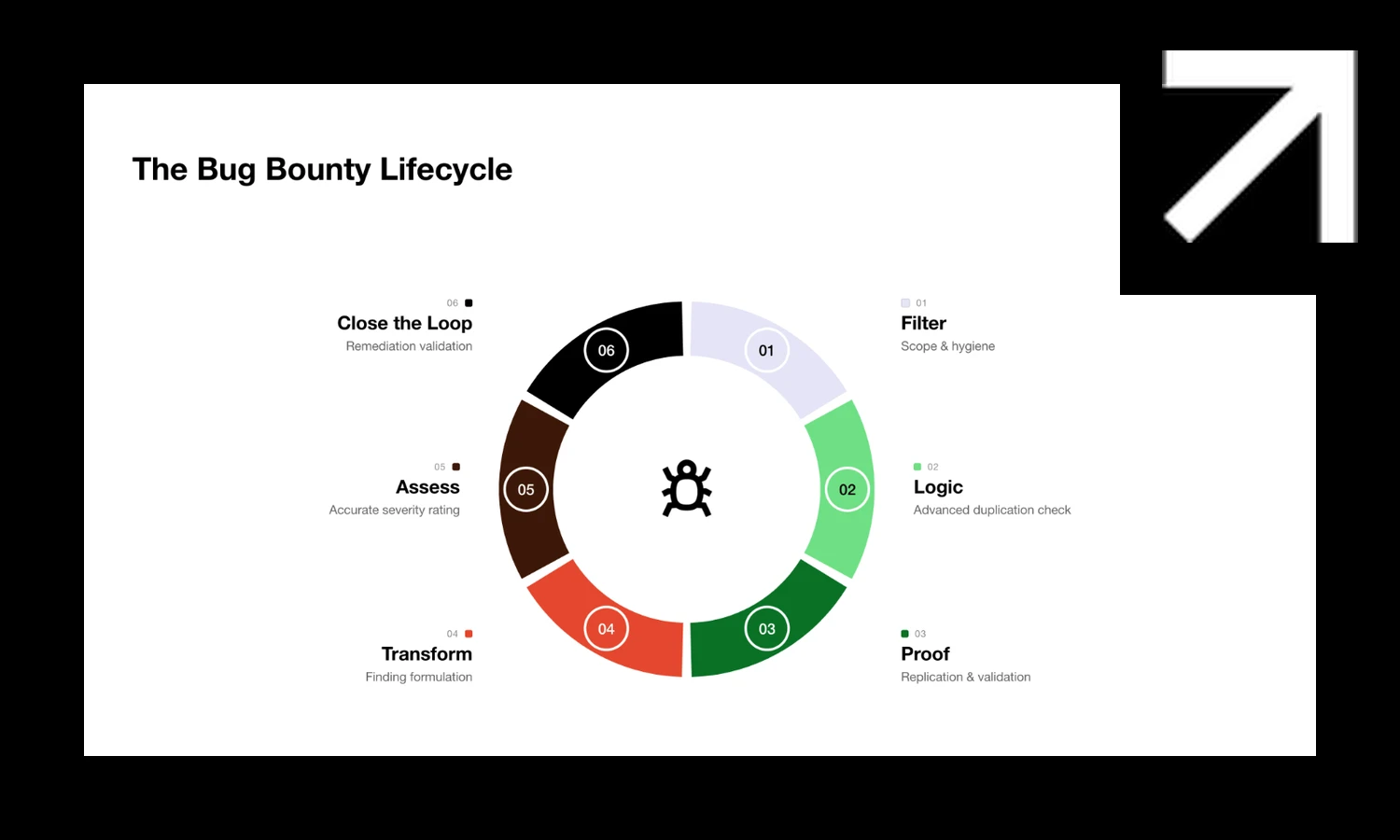
Organizations must adopt continuous, comprehensive security measures such as bug bounty programs and feature testing to protect cardholder data effectively. Only then can they ensure resilience against evolving threats and maintain customer trust in an increasingly hostile digital landscape.













.svg?width=32&height=32&name=icon%20(1).svg)
.svg?width=32&height=32&name=icon%20(2).svg)
.svg?width=32&height=32&name=icon%20(3).svg)



.webp?width=1000&height=600&name=Beyond%20PCI%20compliance_Ensuring%20True%20Security_blog_1000x600_V2%20(1).webp)