Healthcare organizations face a stark reality in 2025: regulators, auditors and the threat landscape are all converging on the same point — show not only that you test, but that your testing produces a defensible, business-relevant understanding of risk. HIPAA’s regulators have been explicit about this direction; a late-2024 public notice signaled an expectation that covered entities make penetration testing a routine, demonstrable activity rather than an occasional checkbox exercise, discussed here on the Inspectiv blog.
This post explains what meaningful penetration testing and exposure management look like under HIPAA, where common programs fall short, and practical steps hospitals and health systems should take to build a testing program that satisfies auditors (including hospital accreditation bodies such as The Joint Commission and DNV) and, more importantly, reduces real patient-data risk.
Why Start with Real-world Research
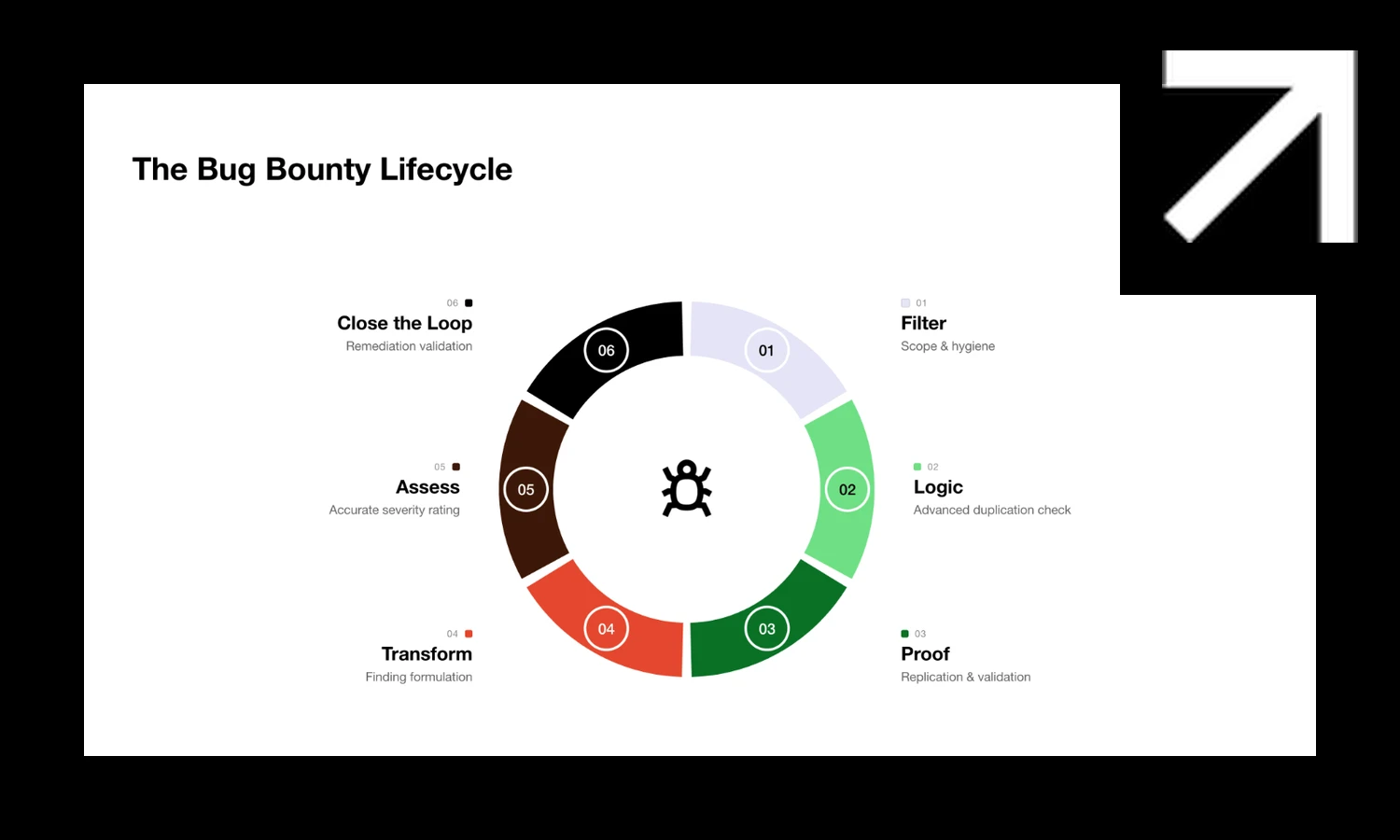
When we talk about “modern” security testing under HIPAA we mean validated, adversary-focused research that probes your live attack surface. A well-run bug bounty program is the most direct way to get that. Bug bounty invites diverse, creative researchers to validate real-world exploit chains against production systems — and because payouts are tied to severity and impact, it naturally favors high-impact findings over noisy low-value signals.
A bug bounty complements and augments scheduled penetration tests: pen tests provide structured, compliance-oriented coverage, while bounty programs continuously probe for novel, creative, multi-step attacks that automated scanners miss. Taken together — if they are run with strong triage and validation — they form a continuous, evidence-based view of exposure that HIPAA auditors and hospital accrediting organizations expect to see from any healthcare organization - from providers to payers. It may also hedge against changes at the US national regulatory level, which seem to be happening more frequently in 2025-2026 than in past years.
Why Exposure Management is Easy to Fake
Many organizations equate volume of findings with security progress. That’s a dangerous illusion. Two common failure modes:
- Point-in-time, checklist testing. A once-annual scan or a single pen test gives a snapshot that will be obsolete the moment new code, new vendors or a new exploit hits production. Regulators are asking for more proof of capable processes, to avoid giving too much credit to the latest test. Some pentests (not ours) operate only in this way.
- Noise without validation. Tool-only results, duplicated alerts, or untriaged incoming reports create a false sense of security and belief in a good security posture without giving a prioritized, remediable picture of real risk.
The result is exposure management that looks busy on dashboards but offers poor guidance for where to spend scarce remediation dollars. Inspectiv’s internal research, and industry trackers, show breaches and serious compromises rising even as routine vulnerabilities become easier to detect — meaning the remaining, dangerous gaps are the hard, human-driven problems tools miss. An inspectiv analysis of ID Theft Center data from the first halves of 2024 and 2025 shows a steep rise in compromises year-over-year (732 to 1732), reinforcing why institutions should prioritize validated, human-led testing.
A practical blueprint for real exposure management
Under HIPAA, a defensible exposure management program has four practical elements:
- Continuous, validated testing. Scheduled penetration tests, ideally augmented with a bug bounty program, show continuous coverage for security vulnerability discovery. Validate remediation and demonstrate that issues were fixed in production.
- Risk-first triage and prioritization. Convert findings into attacker-centric, business-impact narratives so remediation focuses on what attackers will exploit.
- Vendor and supply-chain attestation. HIPAA’s risk analysis requires you to understand third-party integrations; your tests must include vendor-facing components and integration points.
- Compliance-ready evidence. Produce reports auditors and accrediting bodies can review — with timelines showing discovery, remediation, and retesting.
These pieces are the minimum to avoid a false comfort and to provide the kind of defensible technical evidence that auditors and hospital accreditors expect.
What hospitals need to keep top of mind
Healthcare industry participants (hospitals, providers, insurers and more) have unique constraints: complex medical devices, EHRs, imaging systems (PACS), medical devices, and numerous business partners. Regulators and accreditors are paying attention — many organizations use penetration testing results as part of their audit materials for The Joint Commission or DNV.
There were several large hospital and healthcare incidents in 2025 that illustrate the stakes: industry reporting and HHS’s breach portal show that incidents affecting hospital networks continue to surface massive exposure windows for patient data. HIPAA Journal keeps a list of breaches in the industry and sadly, a million records breached would not even crack the top ten anymore.
Why Inspectiv is a practical fit for HIPAA-related testing
Historically, bug bounty has been high-effort and high-maintenance - the realm of giant companies. No longer.
We reduce the typical hidden costs of running testing programs — triage, validation, vendor management — by handling that for our customers. The result is a testing posture that seeks real security vulnerabilities, but produces fewer false alarms and more auditor-ready evidence of reduced ePHI exposure.
Make Testing Count for HIPAA
HIPAA’s direction is clear: routine, demonstrable testing that produces defensible evidence of risk reduction. Hospitals must move beyond finding vulnerabilities the way people find skunks - when it's too late. Noisy programs and point-in-time checklists toward validated, attacker-centric testing that integrates penetration tests with other testing such as bug bounty programs to focus on rapid risk reduction — all driven by prioritized remediation and compliance-ready reports.
If you need a pragmatic next step: begin by ensuring you have a continuous, validated testing cadence and insist that every finding be translated into a prioritized remediation and a retest. Regulators, auditors and patients will thank you.














.svg?width=32&height=32&name=icon%20(1).svg)
.svg?width=32&height=32&name=icon%20(2).svg)
.svg?width=32&height=32&name=icon%20(3).svg)